Finca El Mocanal
More than a century cultivating memory.
Five generations preserving a unique winemaking and cultural heritage in Gran Canaria
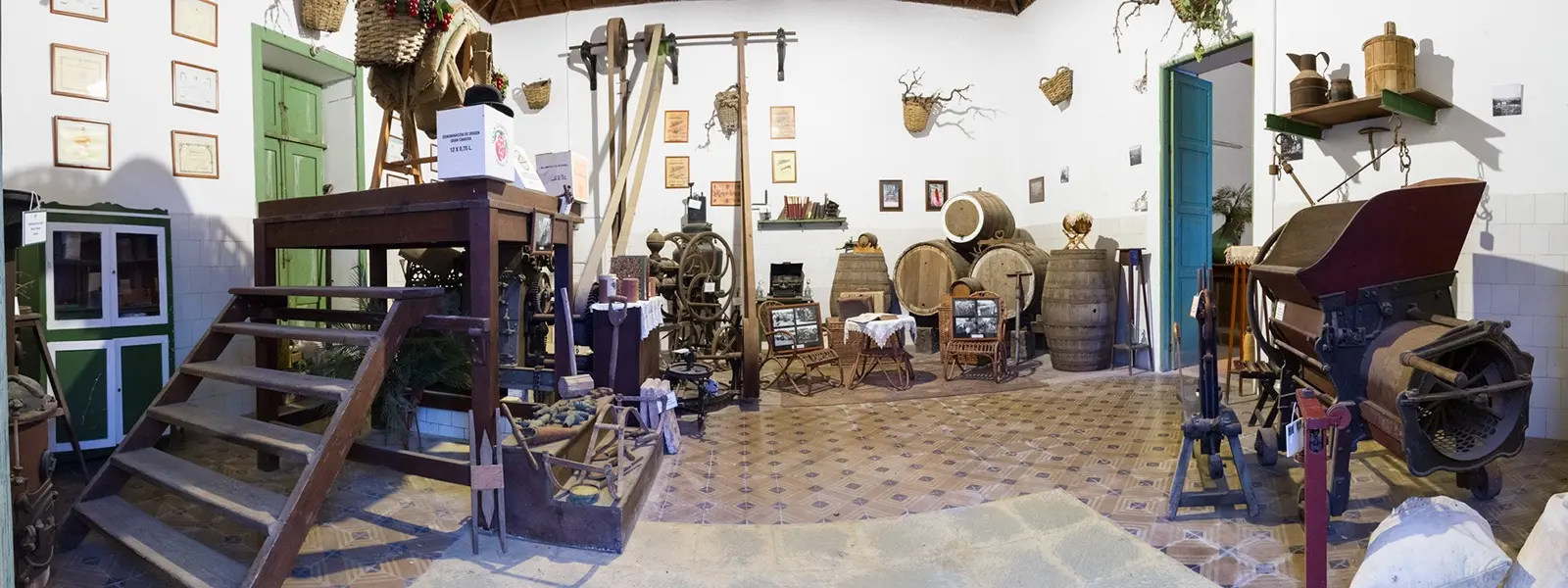
The estate preserves its wine presses, including a press unique in the Canary Islands brought from Lyon, along with documents, farm implements, old machinery and tools kept in its Wine Museum, as well as other historic spaces, bearing witness to Gran Canaria's winemaking tradition.
The estate takes shape
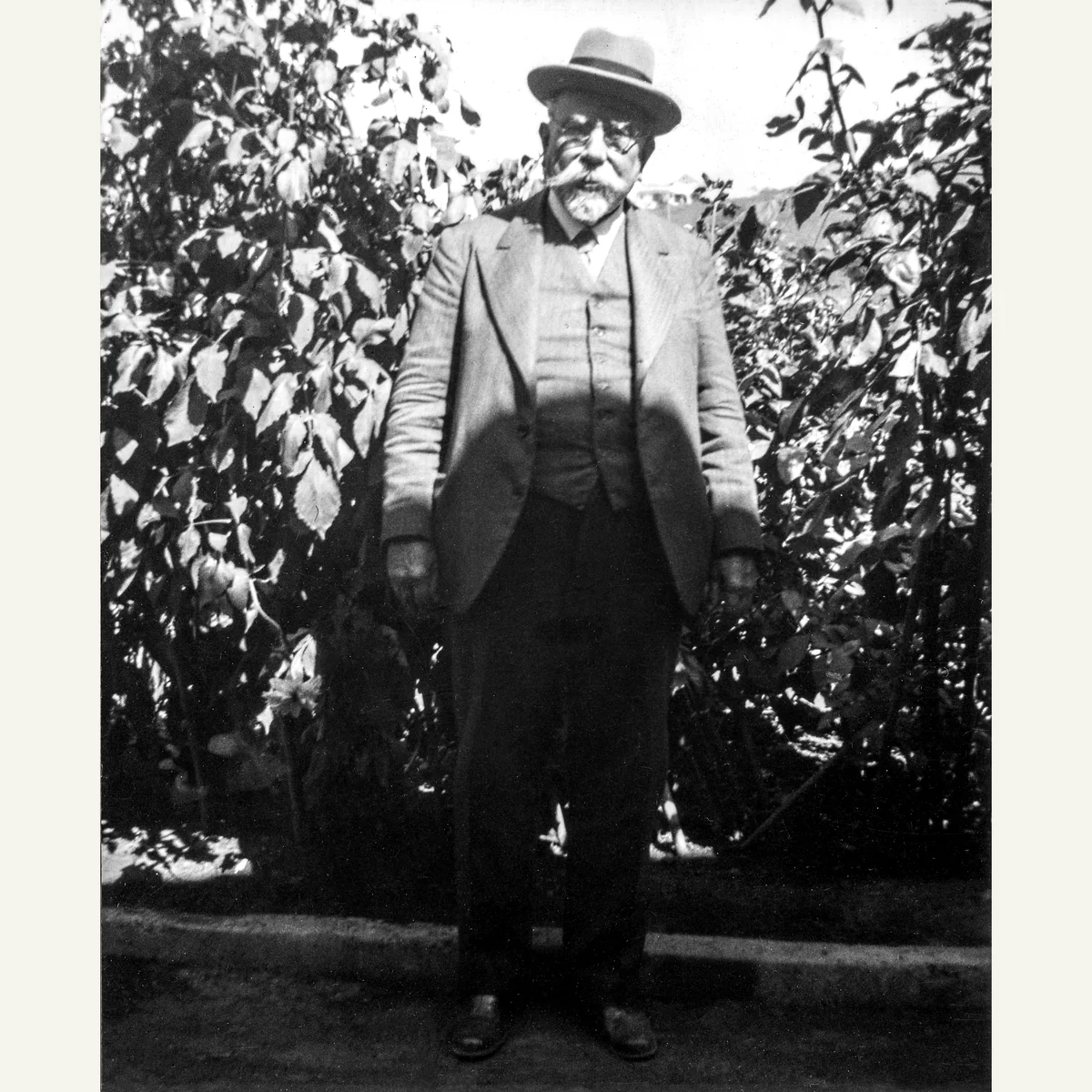
Bodega San Juan was founded on 11 June 1912 by Don Juan Rodríguez Quegles and his wife, Carmen Millán Socorro. They acquired it from Lieutenant Manuel Marcos Benítez, who had taken part in the Cuban War of Independence. Don Juan Rodríguez Quegles was a successful merchant businessman. His trade took him to deal with many countries around the world, but above all with Cuba, from where he brought the timber used to build the roofs of the wine press and the winery's storehouse (today converted into an events hall, preserved in perfect condition). In the early 20th century, with Don Juan Rodríguez Quegles at the helm, the winery gained great importance in Europe. The phylloxera plague, which from the late 19th century onwards devastated the continent and almost all of its production, meant that Canarian wines — free of the plague (and still phylloxera-free today) — became highly sought after and prized from that period on. Even then, the winery was regularly visited, mostly by English cruise passengers, who came to do what was known as "the little round-the-world trip". They stayed at the Hotel Escuela in Santa Brígida, came to the estate to buy wine and see the facilities, and craft merchants would set up their stalls for the occasion. Folk music groups came to liven up the visit. After visiting the winery, they would go to La Atalaya to buy pottery and finally visit the Caldera de Bandama to enjoy its views. These were the beginnings of wine tourism on the island of Gran Canaria.
The revival after the Civil War
The Spanish Civil War marks a turning point for the winery. In fact, the historical trail becomes a little hazy during those years, and activity was reduced during the wartime period. After the war, Don José Millán Rodríguez, the third generation of the winery, took the helm and produced the first wines, which gained importance within the old “Monte Lentiscal” denomination of origin. During that period, Moscatel liqueur wine was especially sought after, sold in both the domestic and international markets, where it became fashionable after meals, with aperitifs and desserts. Red wine also became very important, for its organoleptic characteristics typical of the area — a wine with a great deal of character. Don José Millán founded Gran Canaria’s first wine museum, located on our premises. After gathering old machinery and tools from the winemaking activity carried out since the early 20th century, he made use of the rooms adjoining the wine press for this purpose. Visitors were offered an exhibition on the history of the winery and a display of traditional winemaking and harvesting techniques, finishing with a wine tasting.
Work, and more work
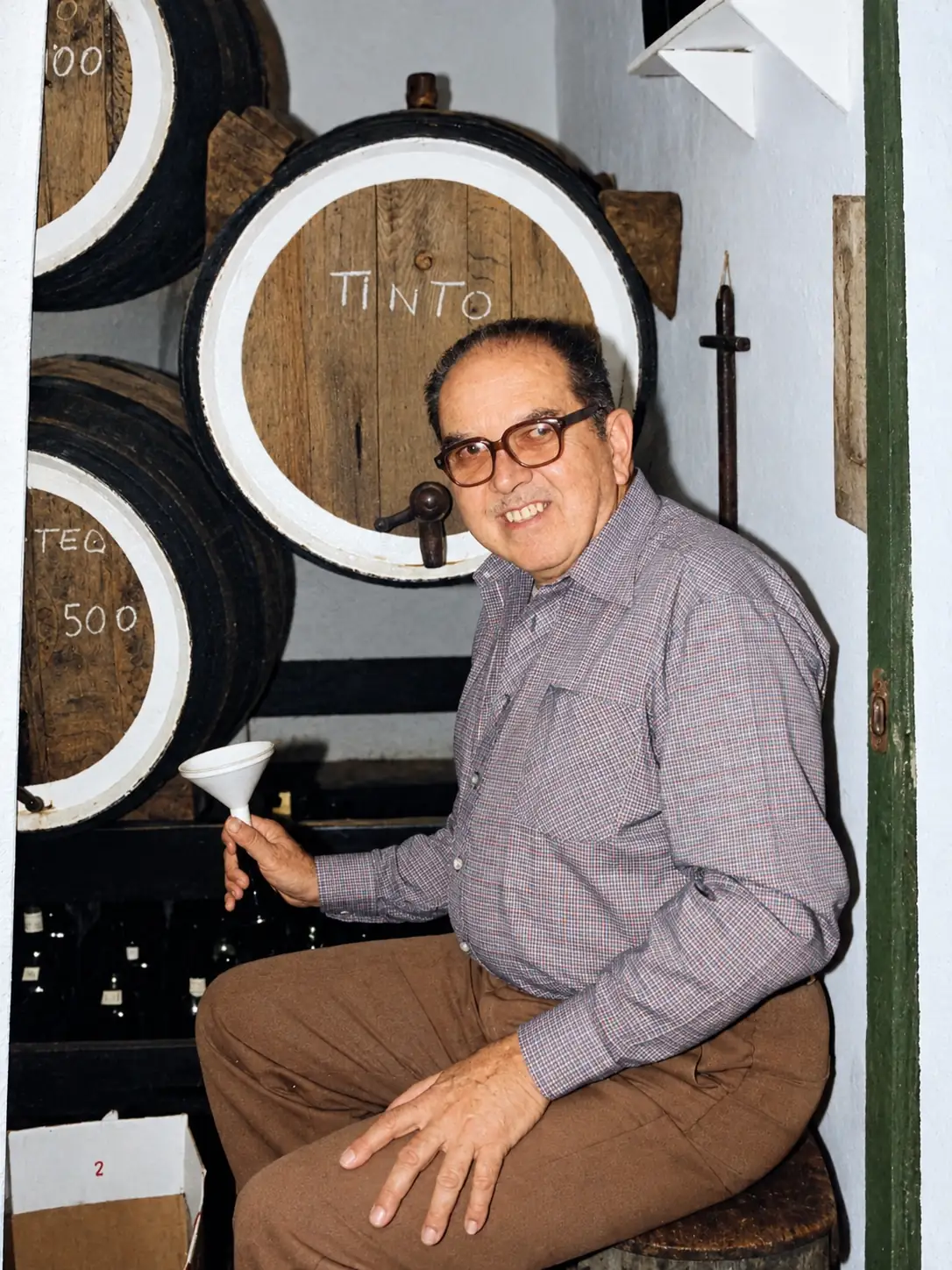
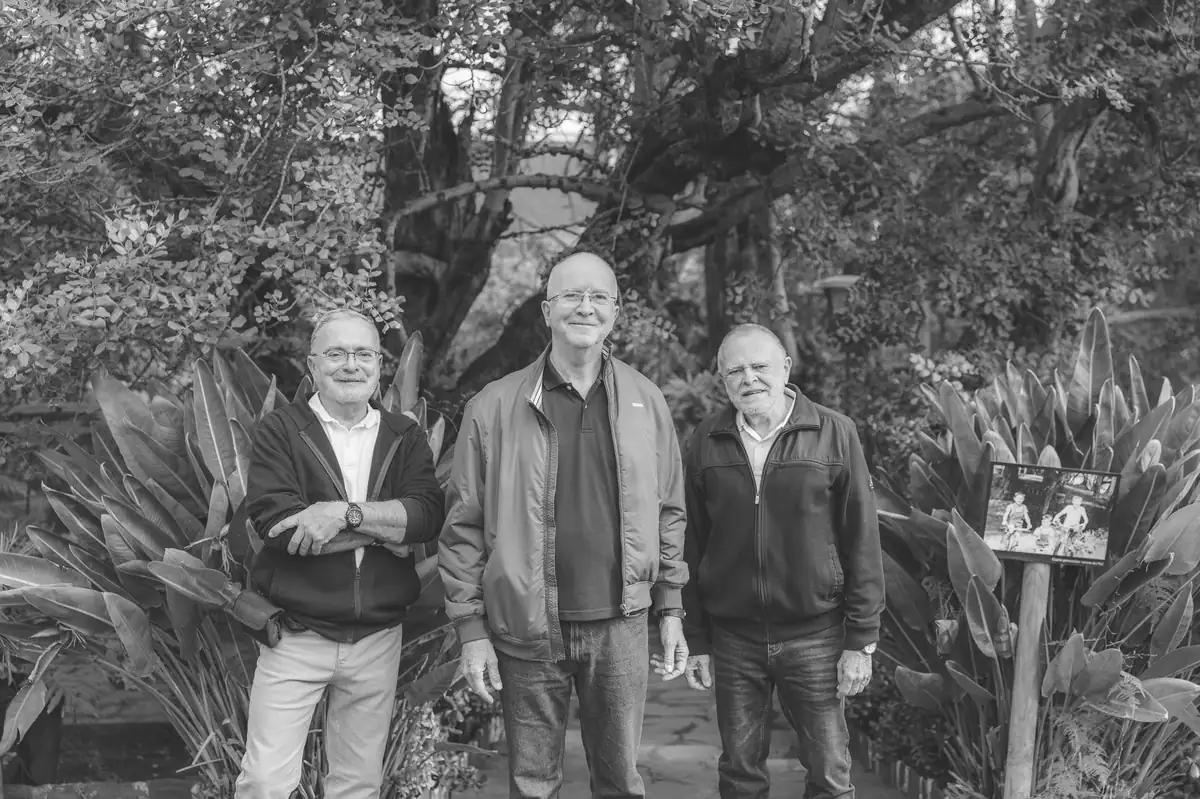
After Don José, the next generation, the fourth, took up the baton. His children, Juan Carlos, Gabriel and José, along with Javier, José's son, took turns continuing both production and tourist visits. This more modern era brought with it a stronger educational side for visitors, with schools and tourists coming for a visit steeped in history that still kept its artisan character. The estate was also replanted, switching to the trellis-trained growing system, which makes the vines easier to work and the grapes easier to harvest. From 2006 onwards, it was decided to pause wine production. Cultivation continued, with the grapes sold to other wineries within the Designation of Origin.
Today, a step further
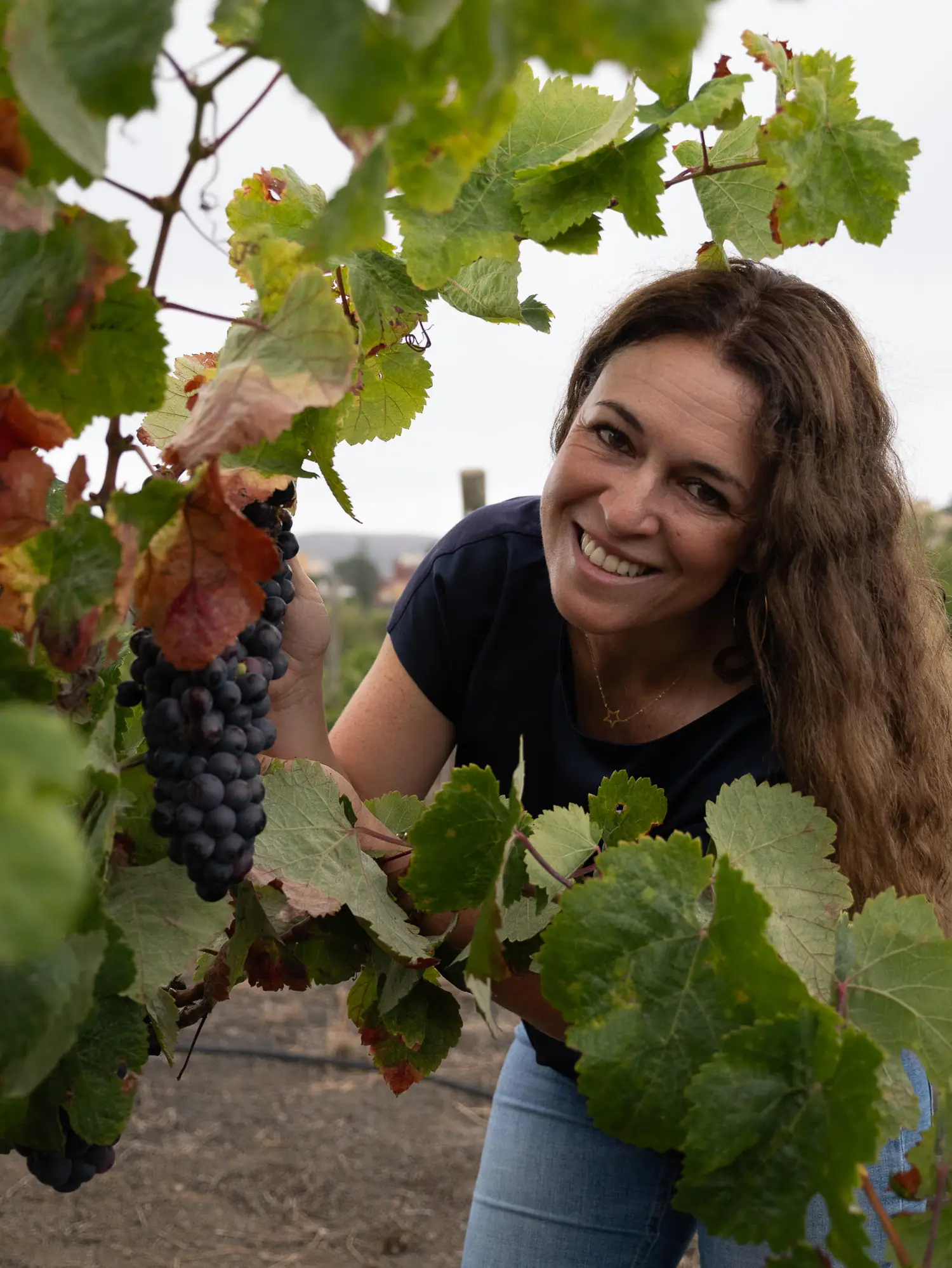
It was at the end of 2016 when Cristina Millán (fifth generation), daughter of José and sister of Javier, being pregnant with Inés (sixth generation), decided to set the winery back in motion. During her childhood, she had absorbed the tradition and craftsmanship of her grandparents, uncles and family, to which she added her own training as an Agricultural Engineer, along with various master’s degrees related to viticulture, winemaking and business management. Cristina decided to convert the farming to organic and had the estate set up to once again welcome tourist and school visits. After getting in touch with Carmelo Peña, a young winemaker from Gran Canaria with extensive experience at leading wineries in Portugal and Spain, she began producing an artisanal wine once more, with minimal intervention and the utmost respect for the terroir. She also began holding events on the estate — concerts, circus and wine, magic and wine, yoga events, and so on — and had the events hall fitted out for celebrations such as weddings, birthdays, christenings, meetings and more. None of these new projects over the past nearly 10 years were carried out by Cristina alone — though she is the most visible face of them — but with the help of her uncles and aunts, her parents, her husband, María and the extended family.
Our aspirations...
The winery's goal is to uphold tradition while applying the advances and knowledge developed in agriculture and winemaking. The intention is to keep releasing new wines from new plots and to keep improving day by day, raising the quality of our wines as much as possible. And, of course, to preserve Gran Canaria's winemaking heritage, so that future generations can go on enjoying it, can learn to value the effort made over the years, and so that it is never forgotten.